Bunny Kisses and Easter Wishes Review
As a designer who spends more time than I care to admit staring at stitch charts and testing thread tension, I approach every new embroidery file with a mix of excitement and skepticism. The market is flooded with holiday designs, but few manage to strike that delicate balance between cute and commercially viable. Recently, I had the chance to evaluate the Bunny Kisses and Easter Wishes SVG quote design, specifically looking at how it translates from a digital vector into a tangible, stitched handmade product. This isn’t just about whether it looks good on a screen; it’s about whether it holds up when you’re running it through a machine for a client order or a busy craft fair booth.
First Impressions: Mood and Visual Personality
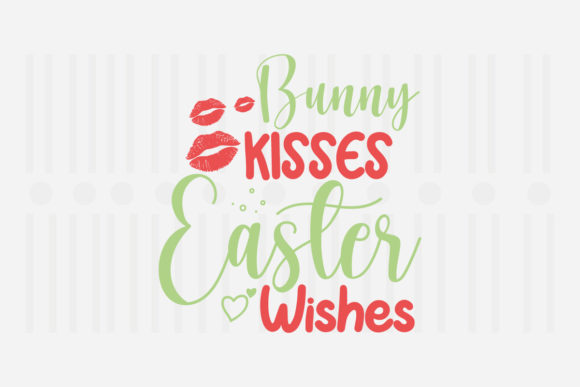
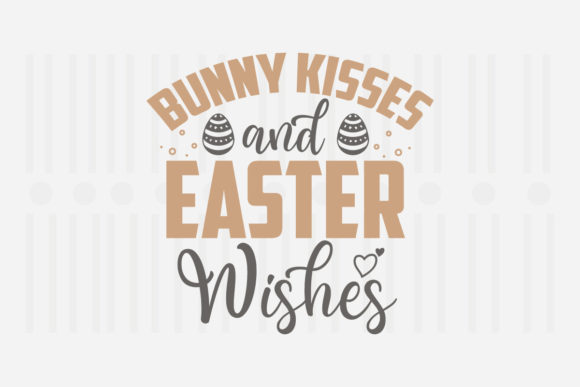
The immediate appeal of Bunny Kisses and Easter Wishes lies in its simplicity. In a category often cluttered with complex scenes, this design relies on clean typography and charming iconography. It creates an instant mood of warmth and springtime nostalgia. For a custom apparel decorator, this is gold. It feels approachable, friendly, and undeniably festive without being overly saccharine. The layout is balanced, suggesting that the designer understands negative space—a crucial element in embroidery where too much density can lead to puckering and poor stitch definition.
The visual personality here is soft yet bold enough to be readable from a distance. This makes it an excellent candidate for tote bag design projects where visibility matters. Whether it’s used for a small shop product or a personal gift, the text "Bunny Kisses and Easter Wishes" carries a clear message that resonates with the target audience during the spring season. It doesn’t scream for attention; it invites it, which is often more effective for building brand consistency in a boutique setting.
Real-World Application: From Screen to Stitch
I put this design through its paces by imagining it on various substrates. The versatility of the source file—available in EPS or SVG formats—means it’s highly adaptable. My primary test case was a custom embroidered tote bag made from heavy-duty canvas. The contrast between the dark fabric and the bright thread colors allowed the design to pop. Because the design allows for easy color changes, I experimented with pastel threads to soften the look, and then switched to high-contrast black and white for a modern, graphic tee vibe.
This adaptability is key for Etsy sellers and digital product sellers who need to offer variations. A single design asset can become multiple listings if you understand how to manipulate the thread colors. For instance, using cream and sage green threads gave the project a rustic, farmhouse aesthetic, while neon threads would transform it into a trendy streetwear piece. The design’s structure supports these shifts because it avoids overly intricate details that might get lost in different color palettes.
I also considered its use on sweatshirt embroidery and baby clothes. The gentle theme fits perfectly with nursery decor or baby gifts. However, stitching on thick fleece requires careful stabilizer selection to prevent the fabric from bubbling. The design’s moderate size works well here, allowing for a quick turnaround time during peak holiday seasons. For holiday embroidery projects like kitchen towels or aprons, the design adds a touch of whimsy that customers love. It’s not just a decoration; it’s a statement piece that enhances the utility of the item.
Where Caution Is Required
While the design is robust, no machine embroidery design is perfect for every situation. There are specific scenarios where Bunny Kisses and Easter Wishes needs careful handling. First, avoid using this on curved surfaces like caps unless you have a specialized cap frame and experience. The text may distort if the curvature is too severe. Similarly, on textured fabrics like bouclé or heavy tweed, the fine details of the lettering might get swallowed by the fabric nap. Always test on scrap fabric first to ensure the stitch density covers the texture adequately.
Another area of concern is small hoop sizes. If you attempt to digitize or scale this down too much, the spacing between letters may become too tight, leading to thread breaks or messy overlaps. Keep the design large enough to maintain clarity. Additionally, on stretchy fabrics, such as jersey knits, you must use a proper stabilizer to prevent distortion. Without it, the finished product may look warped after washing. For embroidered patch applications, ensure the edge finish is clean, as fraying can ruin the professional look of the piece.
Impact on Product Value and Customer Trust
In the world of craft business, presentation is everything. A well-executed embroidery project signals quality and attention to detail. When customers see a crisp, cleanly stitched Bunny Kisses and Easter Wishes on a personalized gift, they perceive higher value. This directly impacts buyer engagement and repeat purchases. A sloppy stitch job can erode trust instantly, whereas a polished result builds a reputation for reliability.
The design’s flexibility also aids in creating printable mockups for online listings. Since the source files are editable, you can create realistic previews that show potential buyers how the design looks on different products. This transparency helps reduce returns and increases confidence in the purchase. For commercial embroidery clients, offering customizable color options based on this design can be a unique selling point, allowing them to align the product with their own brand colors.
Practical Designer Notes for Success
To get the best results from this embroidery project, follow these practical steps:
- Test Before You Commit: Always run a test stitch on the actual fabric you plan to use. This reveals issues with tension, thread compatibility, and stabilizer choice before you start a customer order.
- Check Thread Contrast: Ensure there is sufficient contrast between the thread and the fabric. Low contrast can make the design hard to read, especially for older customers or those with visual impairments.
- Review Stitch Density: Although the file format suggests ease of editing, verify that the fill stitches are not too dense. Excessive density can cause the fabric to pucker and the needle to break.
- Confirm Hoop Size: Make sure your machine’s hoop can accommodate the design dimensions comfortably. Leaving extra margin around the edges prevents clipping and ensures even tension.
- Inspect Small Details: Zoom in on the digital preview to check for tiny elements that might not stitch well. Simplify if necessary by removing unnecessary decorative accents.
- Use Proper Stabilizer: Choose a cut-away stabilizer for stretchy fabrics and a tear-away for wovens. The right support is critical for maintaining the shape of the finished product.
- Verify Licensing: Before selling finished items or digital assets, confirm the licensing terms. Some designs allow commercial use, while others are for personal use only. Respecting intellectual property protects your craft business from legal issues.
In conclusion, Bunny Kisses and Easter Wishes is a versatile and charming addition to any designer’s library. Its strength lies in its adaptability and emotional resonance. By paying attention to technical details like fabric choice and stabilizer use, you can turn this simple SVG quote into a high-value, professionally finished product. Whether you are creating personalized gifts for friends or scaling up production for an Etsy seller store, this design offers a reliable foundation for success. Just remember: the magic happens in the execution, so take your time, test thoroughly, and let the quality of your work speak for itself.