Cheese is My Love Language Retro Groovy Review
As a designer who spends half her life troubleshooting stitch errors and the other half trying to make handmade goods look professional enough to sell, I don’t just buy designs because they are cute. I buy them because they work. When I first encountered the Cheese is My Love Language Retro Groovy design, my initial reaction was less about the sentiment and more about its structural viability for real-world application. It sits squarely in the Crafts and Graphics categories, but for those of us actually stitching these files, the category matters far less than the execution.
This isn't just another generic quote file that will fall apart at the seams. It has a distinct visual personality—a retro, groovy aesthetic that taps into the current wave of nostalgic typography. But does it hold up under the needle? Can it survive the wear and tear of a custom apparel project or a high-volume Etsy listing? Let’s break down how this design performs when we move it from the screen to the hoop.
The First Impression: Mood and Visual Weight
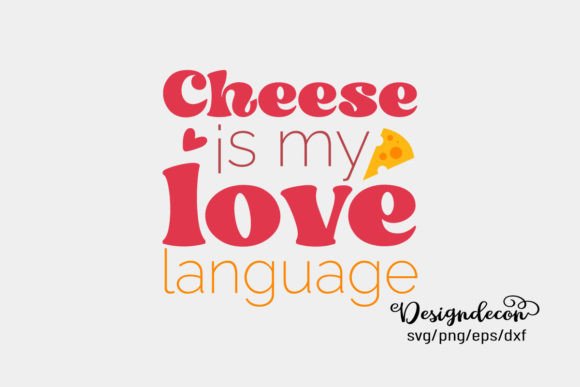
The moment you load the Cheese is My Love Language Retro Groovy embroidery file, the layout commands attention. The retro style lends itself well to bold shapes and thick lines, which is a relief. In machine embroidery, thin, delicate lines often disappear or become muddy, especially on textured fabrics. This design avoids that pitfall by embracing chunky, groovy lettering that suggests confidence. It feels playful yet intentional, making it an excellent candidate for personalized gifts that need to make a statement without shouting.
The theme is lighthearted, which works beautifully for specific niches. Think about the customer buying a gift for a partner who loves food humor, or a crafter looking for something unique for a bridal shower where the bride is a "cheese board" enthusiast. The visual weight of the text ensures that even if the surrounding decorative elements are minimal, the message remains legible from a distance. This is crucial for custom apparel like sweatshirts or tote bags, where the design needs to be readable while the wearer is moving through a crowd.
Real-World Application: Where This Design Shines
I’ve been thinking about where this design would fit best in a small business inventory. My first instinct is the tote bag design market. Canvas totes are forgiving surfaces, and the retro vibe pairs perfectly with natural or earth-toned fabrics. Imagine this stitched in a warm mustard yellow thread on a cream canvas bag—it screams boutique quality. It’s not just a product; it’s a conversation starter.
Beyond totes, this design is a strong contender for sweatshirt embroidery. The cozy, oversized sweater trend is still going strong, and a groovy cheese quote adds a layer of humor that appeals to younger demographics. Because the design likely utilizes a mix of fill stitches for the body of the letters and perhaps some satin stitches for outlines (depending on the specific digitization), it offers good texture contrast. This tactile variety increases the perceived value of the handmade product, allowing you to charge a premium over mass-produced alternatives.
It also translates well to kitchen textiles. A tea towel or apron featuring this design could be a hit during holiday seasons or as a housewarming gift. The subject matter—cheese—is inherently domestic and welcoming. For the Etsy seller looking to diversify their shop, adding this to a collection of kitchen-themed digital or physical products makes logical sense. It bridges the gap between fashion and home decor, expanding your potential customer base.
Technical Considerations and Stitch Performance
When evaluating any machine embroidery design, we have to talk about stitch density and detail. While the provided description highlights that this is a vector-friendly file (EPS, SVG, DXF, PNG) with easy color change capabilities, the actual embroidery performance depends on how those vectors were converted into stitches. If the Cheese is My Love Language Retro Groovy file has excessive stitch density, it can cause puckering, especially on lighter fabrics. However, given the bold nature of the retro font, I expect the digitizer prioritized clarity over intricate detailing, which is a smart choice.
For projects involving applique design techniques, this layout could be particularly effective. You might use a contrasting fabric background with a satin-stitched outline, then fill the letters with a different colored thread or even a patterned fabric. This adds depth and makes the finished product look significantly more expensive. The groovy curves of the text provide ample surface area for such treatments, allowing for creative experimentation with thread colors.
However, caution is advised when working with smaller details. If the design includes tiny decorative accents or thin connecting lines within the groovy script, these areas require careful hooping and proper stabilizer usage. On stretchy fabrics like jersey knits used for t-shirts, there is a risk of distortion if the stabilizer is not cut-away and properly applied. Always test on scrap fabric first to ensure the tension holds up.
Where to Use Carefully
While versatile, this design is not a one-size-fits-all solution. There are specific scenarios where you should exercise caution:
- Small Hoop Sizes: If you are working with a compact hoop, ensure the design fits comfortably without needing to split or resize awkwardly. Cropping a groovy design can ruin its symmetry.
- Textured Fabrics: On heavily textured materials like bouclé or thick wool, fine details may get lost. Stick to smoother fabrics like cotton twill or smooth polyester blends for maximum clarity.
- Curved Surfaces: Applying this to caps or hats requires careful planning. The curvature can distort the perspective of the groovy font, potentially making the text harder to read. Use a cap frame and consider reducing the size slightly to accommodate the curve.
- Dense Stitch Areas: Avoid placing this design on very thin fabrics where dense fill stitches might show through to the right side. Use a tear-away or cut-away stabilizer depending on the fabric type to prevent damage.
Brand Consistency and Customer Trust
In the world of craft business and commercial embroidery, consistency builds trust. Using a cohesive set of design assets helps establish a recognizable brand voice. The Cheese is My Love Language Retro Groovy file fits neatly into a broader aesthetic of fun, retro-inspired home goods. If your shop already features similar fonts or themes, adding this design reinforces your brand identity.
Customers today are savvy. They can tell the difference between a rushed, poorly digitized file and one that has been thoughtfully crafted. A clean, well-executed embroidery project signals professionalism. When a buyer receives a personalized gift with crisp edges and no loose threads, they are more likely to leave a positive review and return for future purchases. This design, with its bold and clear messaging, supports that level of quality assurance.
Practical Designer Notes for Success
To get the most out of this design, follow these practical steps before committing to your final piece:
- Test on Scrap Fabric: Never skip this step. Test the design on the exact fabric you plan to use to check for puckering, thread breaks, or tension issues.
- Check Thread Contrast: Ensure your chosen thread colors stand out against the fabric. High contrast improves readability and visual appeal.
- Review Stitch Density: Zoom in on the digital preview to inspect dense areas. If possible, simulate the stitch path to identify potential problems.
- Confirm Licensing: Before selling finished items or using this as a digital embroidery file for client work, verify the licensing terms. Commercial rights are essential for small shop products.
- Use Proper Stabilizer: Match your stabilizer to the fabric weight and stretch. This prevents distortion and ensures the design stays intact after washing.
Ultimately, the Cheese is My Love Language Retro Groovy design is a solid addition to any embroiderer’s library. It balances humor, style, and structural integrity, making it suitable for a wide range of applications from baby embroidery onesies to holiday embroidery decorations. By approaching it with the same care you would any high-value asset, you can create design assets that not only look great but also perform reliably in the hands of your customers.