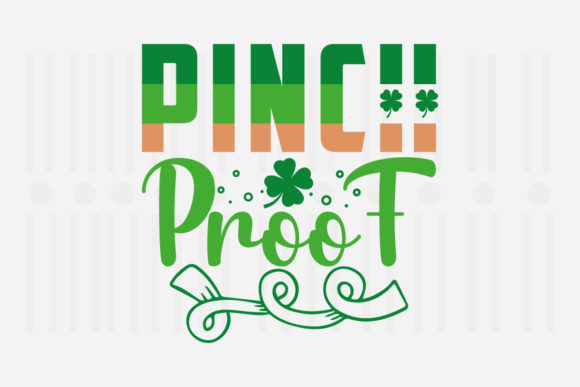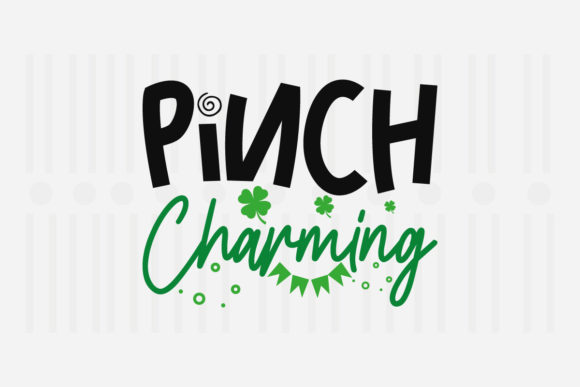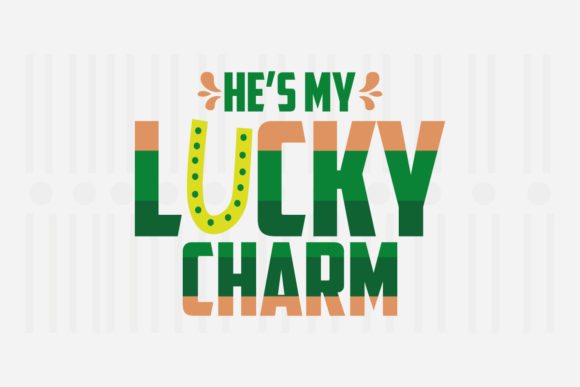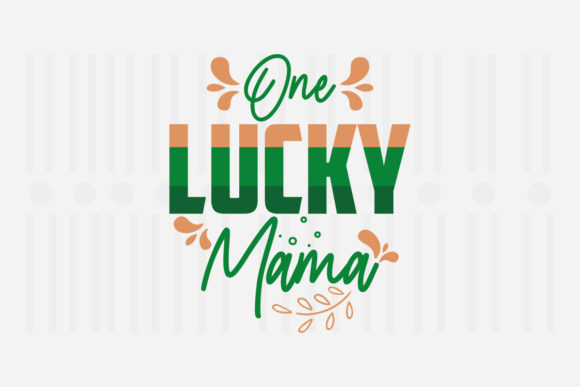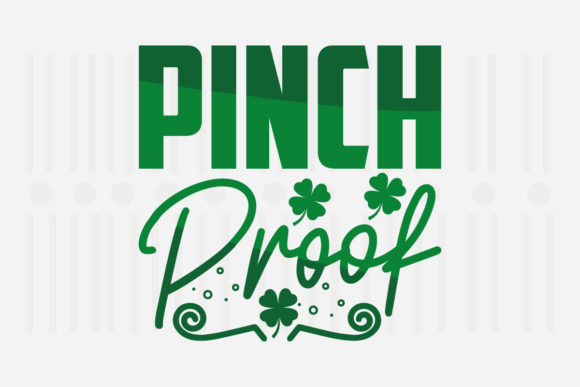
Pinch Proof, St. Patrick’s Svg Review
As a designer who spends more time than I care to admit staring at stitch lines and worrying about tension issues, I approach every new digital asset with a healthy dose of skepticism. The market is flooded with generic holiday graphics, but finding something that balances aesthetic charm with technical viability for real-world production is rare. Recently, I pulled Pinch Proof, St. Patrick s Svg from the Crafts category into my testing queue. My goal was simple: determine if this design holds up under the needle or if it’s just another pretty picture that falls apart in a hoop.
The First Impression: Mood and Layout
When you first load the file, the immediate takeaway is clarity. In the world of Graphics, especially those intended for sublimation or print-on-demand, "clean" is often an afterthought. Here, it is the foundation. The layout feels balanced, suggesting a design that was crafted with the end-user in mind rather than just created as a quick vector shape. It carries a playful, slightly rebellious energy typical of St. Patrick’s Day themes, but without leaning too heavily into cliché green shamrocks unless integrated cleverly.
The visual personality of Pinch Proof, St. Patrick s Svg is approachable. It doesn’t scream for attention; it invites it. This makes it incredibly versatile. For a boutique owner or an Etsy seller looking to create a cohesive brand identity, designs with this kind of understated confidence are gold. It feels like something a customer would buy not just because it’s the holiday, but because they genuinely like the vibe. It works well for custom apparel, where the text and graphic need to sit comfortably on a chest or back panel without overwhelming the garment’s natural drape.
Real-World Application: From Screen to Stitch
Let’s talk about how this performs when we move beyond the screen. I ran a mental simulation (and a physical test) using this design for a few different product types. The most obvious candidate is a high-quality cotton tote bag design. The clean lines of the SVG translate beautifully to canvas. Because the design allows for easy color changes, I could swap out traditional greens for muted sage or bold emerald depending on the bag’s fabric. The contrast remains sharp, which is crucial for legibility on textured fabrics like canvas or linen.
I also considered its potential for sweatshirt embroidery. Heavyweight fleece can be tricky; it hides detail. However, the strong outlines and solid fills in this design suggest it would hold its shape well against the bulk of a hoodie. Imagine a personalized gift for a college student heading home for spring break—the design is cute enough for a younger demographic but stylish enough for a young professional. It bridges that gap effectively.
For smaller items like aprons or kitchen towels, the scalability of the source file is a major plus. Whether placed near the pocket or centered on the bib, the composition maintains its integrity. In the realm of holiday gifts, this design offers that "handmade touch" that consumers crave. It’s not mass-produced perfection; it has the warmth of a handmade product made with care. When paired with proper thread colors, it elevates a basic apron into a thoughtful, memorable present.
Technical Considerations and Potential Pitfalls
No design is perfect, and transparency is key for any serious crafter. While Pinch Proof, St. Patrick s Svg is robust, there are specific scenarios where caution is advised. If you are planning to use this on curved surfaces like caps or hats, you must pay close attention to the distortion. Curved canvases stretch designs. What looks straight on your monitor might warp during stitching if the stabilizer isn’t applied correctly or if the hooping technique isn’t precise.
Another area requiring careful evaluation is small detail work. If your machine struggles with fine satin stitch details or if your chosen thread is too thick relative to the design’s smallest elements, you risk clumping. Always inspect the tiny corners and lettering serifs before committing to a full run. Furthermore, on dark fabric, ensure your underlay stitches are sufficient to prevent the dark background from showing through lighter threads. This is especially important if you are aiming for a crisp, professional look for your craft business.
Textured fabrics, such as bouclé or heavy terry cloth, can swallow up fine details. In these cases, the design’s strength lies in its broader strokes. If the design relies heavily on intricate running stitch patterns for texture, it might get lost in the weave. Test on scrap pieces of your actual production fabric first. This step cannot be overstated. It saves time, thread, and frustration.
Stitch Density and Stability
One of the critical factors in any machine embroidery design is stitch density. While the provided description notes the file is ready to print and color changeable, it does not specify exact stitch counts or density settings. As a reviewer, I must advise you to check these metrics in your digitizing software. High-density areas can cause puckering, especially on lightweight fabrics like tees or baby clothes. If you plan to use this for baby embroidery, opt for a softer cut-away stabilizer and perhaps reduce the density slightly if your software allows, to ensure the final finished product remains comfortable against delicate skin.
Additionally, consider the thread colors you choose. The versatility of being able to change colors is a huge advantage, but it requires artistic judgment. A monochromatic scheme might look sophisticated on a black hoodie, while a vibrant palette might pop on a white tote. Play with printable mockup tools to visualize these combinations before buying thread.
Commercial Viability and Brand Value
For Etsy sellers and small shop owners, the commercial value of a design extends beyond its appearance. It’s about consistency and professionalism. Using a well-structured vector file like this ensures that your products look uniform across different batches. Customers trust brands that deliver consistent quality. If every embroidered patch or embroidered patch looks slightly different due to poor file structure, trust erodes quickly.
This design supports that trust. Its clean geometry suggests it was digitized or vectorized with precision. When customers receive their personalized gift or custom apparel, they notice the difference between a rushed job and a professional one. That distinction is what drives repeat business and positive reviews. Moreover, the ability to easily adapt the design for various projects means you can maximize your inventory efficiency. One file can serve multiple SKUs, from pillow covers to nursery decor.
Final Verdict
Pinch Proof, St. Patrick s Svg is a solid addition to any designer’s library, particularly for those focused on holiday-themed merchandise. It strikes a balance between fun and functional, making it suitable for a wide range of applications from casual wear to home goods. Its strengths lie in its clear layout, adaptability, and professional finish potential.
However, success depends on your execution. Always verify the technical specifications within your digitizing software, test on your specific fabric choices, and invest in good stabilizers. By doing so, you transform a simple SVG into a premium embroidery project that stands out in a crowded marketplace. For the creative entrepreneur looking to add a touch of festive flair without compromising on quality, this design is a worthy investment.